
Older condominiums in Miami: what changed after Surfside
The 2025 structural inspection law rewrote the math of buying in buildings over thirty years old. Six-figure special assessments are now the base case, not the exception.
By Fernanda Zomignani
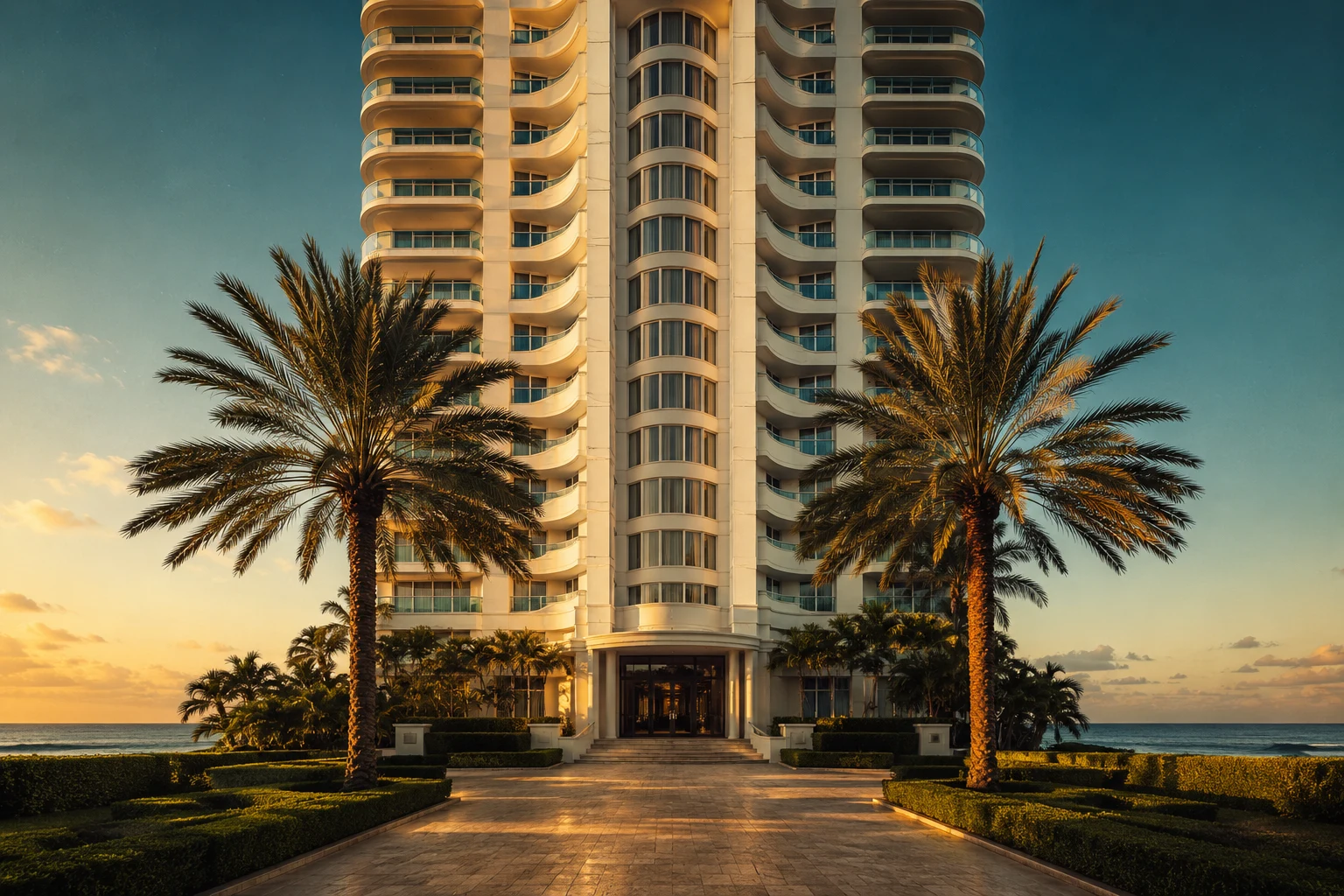
On June 24, 2021, the Champlain Tower South in Surfside partially collapsed, killing ninety-eight people. The building was forty years old. The documented cause was accumulated structural corrosion, aggravated by the association's failure to fund the repairs identified in prior reports.
Florida's legislative response was written over three years. In January 2025, Senate Bill 4-D went into effect, rewriting the structural inspection obligation for condominium buildings in the state. The practical effect on the resale market for older buildings in Miami is meaningful, and most buyers have not yet internalized the change.
This essay describes the new law, the effect on special assessments, and what to verify before buying in a building over twenty-five years old.
What SB 4-D requires
The law establishes three main rules.
First, mandatory structural inspection (Milestone Inspection) for all condominium buildings three or more stories tall at twenty-five years from construction (if the building is within three miles of the coast) or thirty years (further inland). Repeated every ten years thereafter.
Second, updated reserve study (Structural Integrity Reserve Study) also at the twenty-five or thirty-year mark, and repeated every ten. The study lists each structural component (roof, facade, columns, electrical system, plumbing system), its current condition, and the reserve amount required to fund repair or replacement over the remaining useful life.
Third, and most importantly: the association is prohibited from underfunding the structural components identified in the study. In other words, the vote that historically reduced reserve funding to keep the monthly HOA low is now illegal for structural items.
The effect on special assessments
The result, observed in the first wave of buildings that went through Milestone Inspection in 2025, is consistent. Buildings between thirty and forty years old are receiving repair budgets that range from USD 50,000 to USD 200,000 per unit, financed via special assessment over twelve to twenty-four months.
A concrete example, without identifying the building: tower in North Miami built in 1982, one hundred and forty-eight units, went through Milestone in March 2025. The report identified the need for facade replacement, parking structure reinforcement, full electrical revision, and waterproofing of the upper slab. Total cost: USD 8.4 million. Passed through as a special assessment of USD 56,800 per unit, paid in twenty-four monthly installments.
During the construction period, unit market value dropped an average of 18% compared to the prior quarter. Part of the drop recovered after the repairs completed, but the unit takes between eighteen and thirty months to return to the pre-special-assessment level.
What to verify before buying
Five verifications are standard Z Group practice before closing on buildings over twenty-five years old.
First, the Milestone Inspection has been completed. Documentation is available from the association. Ask for the full report, not the executive summary. The detail by structural component is where the information that matters sits.
Second, the Structural Integrity Reserve Study has been adopted by the association. The current level of structural reserves matches what the study recommends. Discrepancies between what the study calls for and what the association funds preview the next special assessment.
Third, the association has a special assessment in progress, voted, or under discussion. The official documentation is the minutes of the last three board meetings. Buyers rarely request these minutes. They are available under Florida Statute 718.111(12).
Fourth, the building has liquid financial reserves in cash proportional to size. For buildings between one hundred and two hundred units, the expected band is between USD 1 million and USD 5 million in cash, depending on age and state of preservation.
Fifth, the facade and parking structure have been inspected in the last five years. These two components represent the largest share of structural repair cost in coastal buildings, and the largest share of post-closing surprises.
When the older building is still worth it
SB 4-D did not make older buildings unsellable. It made them priceable. A forty-year-old building where the association made all structural repairs on time, has adequate financial reserves, and operated through the last two Milestone cycles without surprises can be an excellent purchase. The price per square foot is typically 30% to 50% below comparable new buildings, and the land component (the share of the lot) is the part of the value that grows with the city.
The difference is in which building. Buyers who filter only by price per square foot, without understanding the structural condition, end up funding the repair the seller avoided. Buyers who filter by the quality of association governance tend to close deals that hold value.
Z Group reviews these five documents for each client considering an older building, before the contract. The review takes two to four business days and produces a simple memo: buy, buy at an adjusted price, or do not buy. In twenty-five years of the market, this review is the verification that most often saves the client.
The law changed the math. The buyer who understands the math still has access to a good segment of the market. Welcome home.
End of article